For skincare brand owners, microbial contamination and mold growth, emulsion separation, discoloration, or packaging leakage on the shelf can seriously damage brand reputation. These issues are usually caused by poor environmental hygiene control, weaknesses in the preservative system, insufficient skincare product stability testing, or a lack of packaging compatibility evaluation.
As a cosmetics manufacturer driven by technical expertise, DaiMeiShi uses four quality-control barriers to help ensure that each finished product remains safe and stable throughout its intended life cycle.
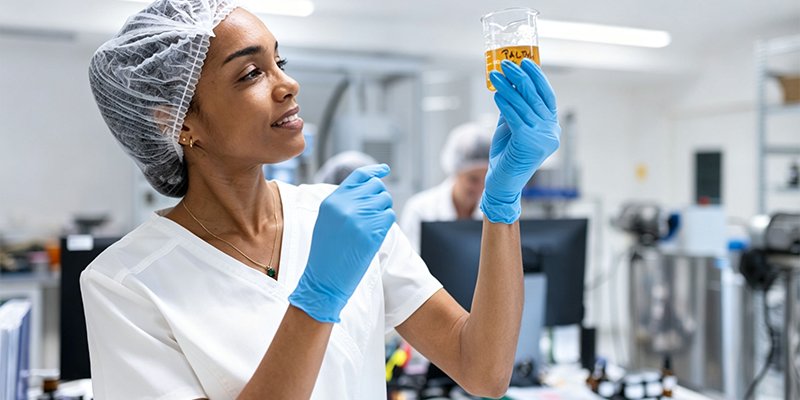
1.Class 100,000 GMPC Cleanroom and Dual Microbial Protection
Microbial contamination mainly comes from the production environment and water sources.
Water Quality Control
We use an EDI two-stage reverse-osmosis purified-water system. Water conductivity is maintained at a stringent internal standard, while pipelines are regularly sterilized with high-pressure steam to reduce the risk of bacterial growth at the source.
Production Environment
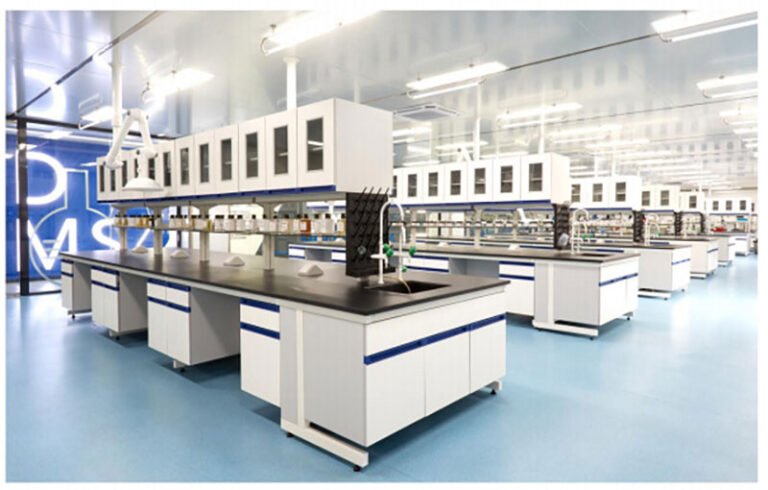
Our production and filling areas are maintained to Class 100,000 cleanroom standards. Positive air-pressure and differential-pressure systems, together with scheduled UV and ozone disinfection, help keep the filling process under controlled hygienic conditions.
Preservative Challenge Testing
During product development, we conduct preservative efficacy testing, also known as a preservative challenge test (PCT). This test simulates bacteria and fungi that may be introduced during consumer use. It is used to evaluate whether the preservative system can control microbial growth under the defined test conditions.
This is a key part of microbiological testing for cosmetics and helps assess the formula’s microbial-protection performance during its intended shelf-life and period after opening.

2.Rigorous Stability Testing to Prevent Separation and Discoloration
Emulsion separation and discoloration of botanical extracts often occur because a formula has not been tested under demanding storage conditions. Before mass production, relevant products undergo the following accelerated stability testing procedures.
Accelerated Stability Test
Finished samples are stored in a 45°C oven for three months, based on the internal stability-validation model equivalent to approximately two years of room-temperature storage. Products may also undergo a -15°C freeze test and repeated 4°C–45°C temperature-cycling tests.
These conditions help identify potential changes in appearance, color, odor, viscosity, and emulsion stability before production.
Centrifuge Test
Samples are centrifuged at 4,000 rpm for 30 minutes to evaluate whether the emulsion system remains stable under strong shear force. This helps identify a possible risk of separation caused by transport vibration or handling stress.
Light Stability Test
We simulate sunlight and strong UV exposure for formulas containing oxidation-sensitive ingredients, such as vitamin C, retinol, and botanical extracts. Targeted antioxidant and anti-yellowing protection may be added according to the formula requirements.
Together, these procedures form a practical cosmetic stability testing process for evaluating potential separation and discoloration risks.
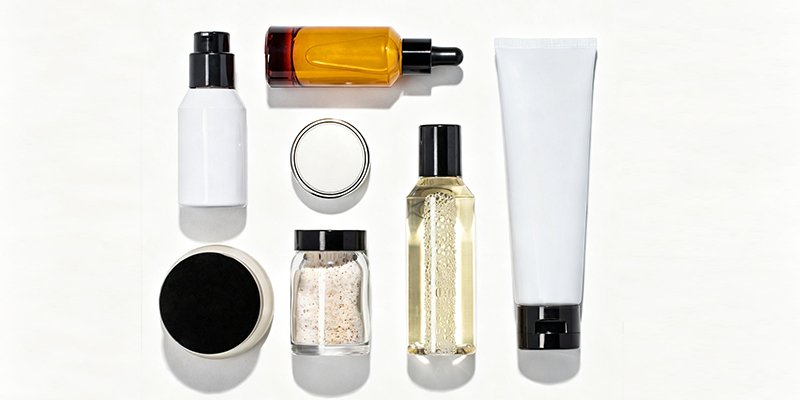
3.Packaging Compatibility and Negative-Pressure Leak Testing
Leakage and pump failure often occur during international transport, particularly when products experience air-pressure changes during air freight or high-altitude road transport.
Negative-Pressure Leak Test
Filled products undergo cosmetic leak testing in a vacuum inspection machine. They are held at -0.08 MPa for more than 30 minutes to check for leakage from caps, pump threads, seals, and tube ends.
Packaging Compatibility Soak Test
The finished formula is tested together with the final bottle, pump spring, gasket, and other packaging components at 50°C. This cosmetic packaging compatibility testing helps identify possible swelling, corrosion, coating damage, or material interaction between the formula and the packaging.
We believe that high quality is not created by final inspection alone. It must be built into formula development, manufacturing, testing, and packaging selection. Strict cosmetic quality control standards are the foundation for protecting your skincare brand.