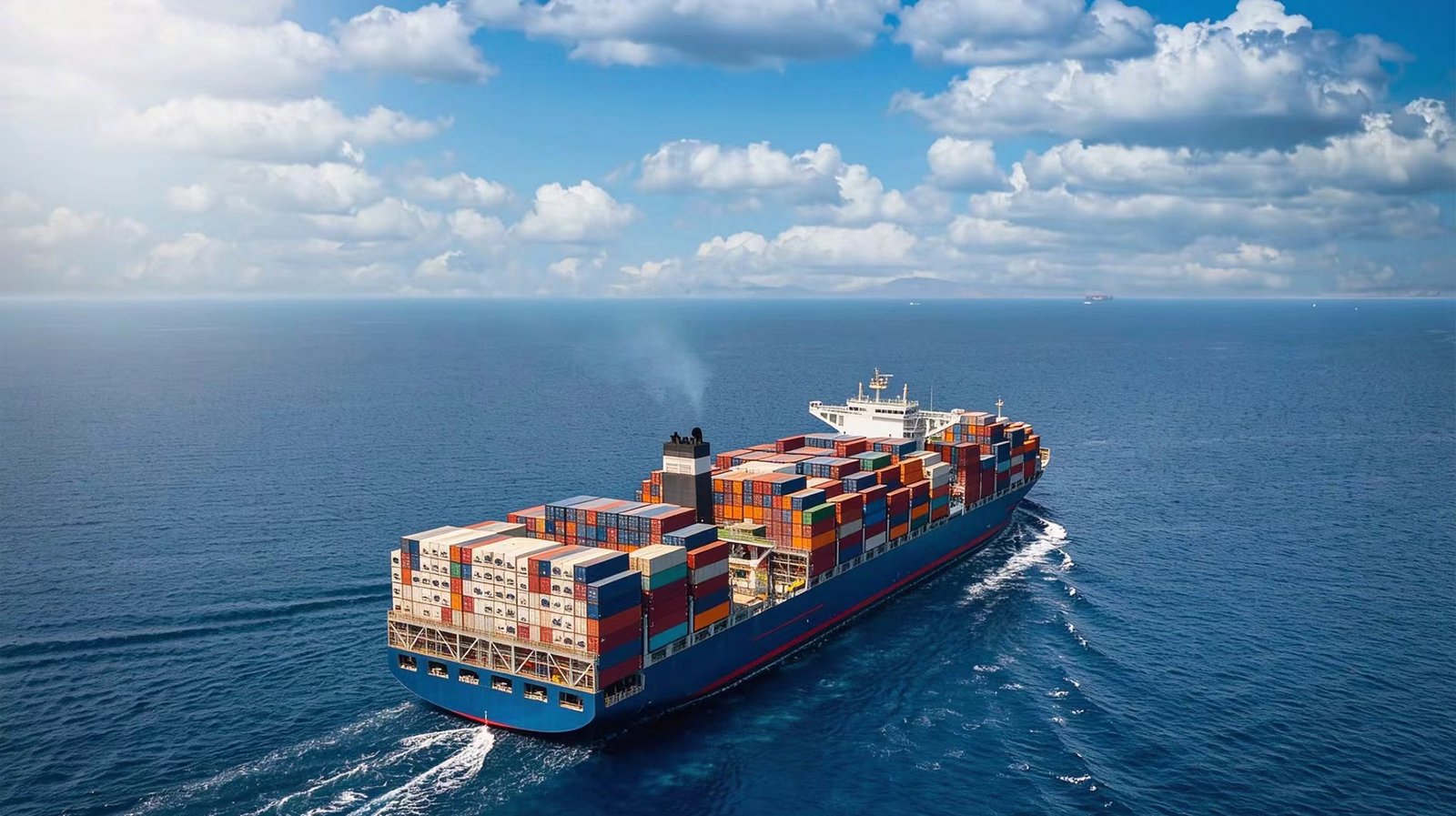
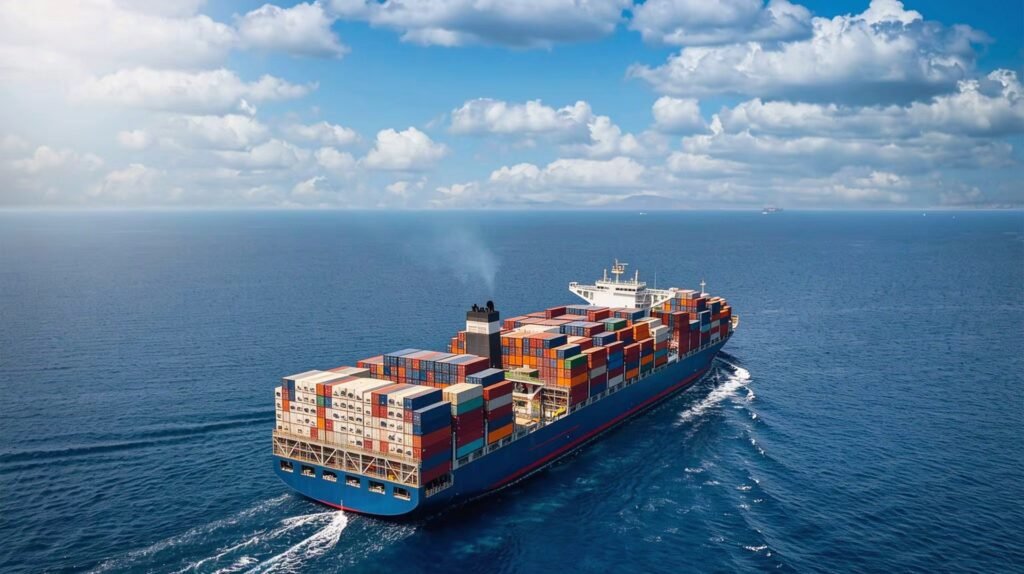
During long-distance international transportation by sea or air, as well as domestic logistics, occasional damage can occur even when products are carefully packed. Severe weather, rough port handling, or other force-majeure events may cause outer-carton compression, leakage, or product breakage.
When this happens, buyers usually have three concerns: Will the factory take responsibility? Is the claims process slow and complicated? Can replenishment keep up with market sales? At DaiMeiShi, we follow a customer-first after-sales principle and provide a transparent process for cosmetic shipping damage claims and urgent replenishment.
1. Clear Responsibility and Transport Packaging Protection
Before shipment, we use reinforced export packaging to reduce the risk of cosmetic transport damage. This may include high-strength corrugated cartons, palletized packing, stretch-film wrapping, and moisture- and shock-protection measures.
Responsibility is handled according to the cause of the damage and the agreed shipping terms.
Factory Responsibility
If the damage is caused by a factory-related issue—such as insufficient outer-carton strength, poor filling or sealing that causes leakage, or incorrect container-loading practices—the factory will take responsibility for the confirmed loss according to the agreement.
Logistics or Insurance Responsibility
If damage occurs during third-party transportation, we will actively assist the customer in submitting a claim to the logistics provider or insurance company. At the same time, we can begin assessing a replenishment plan to reduce the impact on sales.
This clear division of responsibility is an important part of reliable international cosmetic shipping support.

2. A Simple Claims Application Process
To reduce communication time and make cosmetic shipping damage claims easier to handle, we simplify the evidence requirements. If an issue is found upon delivery, customers only need to complete three steps.
Step 1: Keep Photo or Video Evidence
Within 48 hours of receiving the goods, please take photos or short videos of the damaged outer cartons and affected products. Clear evidence helps the after-sales team identify the issue more efficiently.
Step 2: Submit a Damage List
Complete a simple After-Sales Issue Feedback Form, including the damaged quantity and batch number.
Step 3: Receive a Fast Confirmation
Our after-sales team will review the submitted information and confirm the proposed claims solution within one working day.
This process provides practical private label skincare after-sales support without creating unnecessary paperwork for the customer.
3. Green Channel for Emergency Replenishment
For brand owners, stock-outs can be more damaging than the original transport loss. Once a claim requires replenishment, we can activate a dedicated emergency replenishment process.
The replacement order does not need to wait through the standard production-scheduling process again. Subject to material availability and confirmed requirements, we can coordinate core raw materials and packaging components, arrange production as quickly as possible, and use expedited shipping options—such as air freight or fast sea freight—when appropriate.
The purpose is to minimize the impact of the incident on your market supply and sales rhythm.
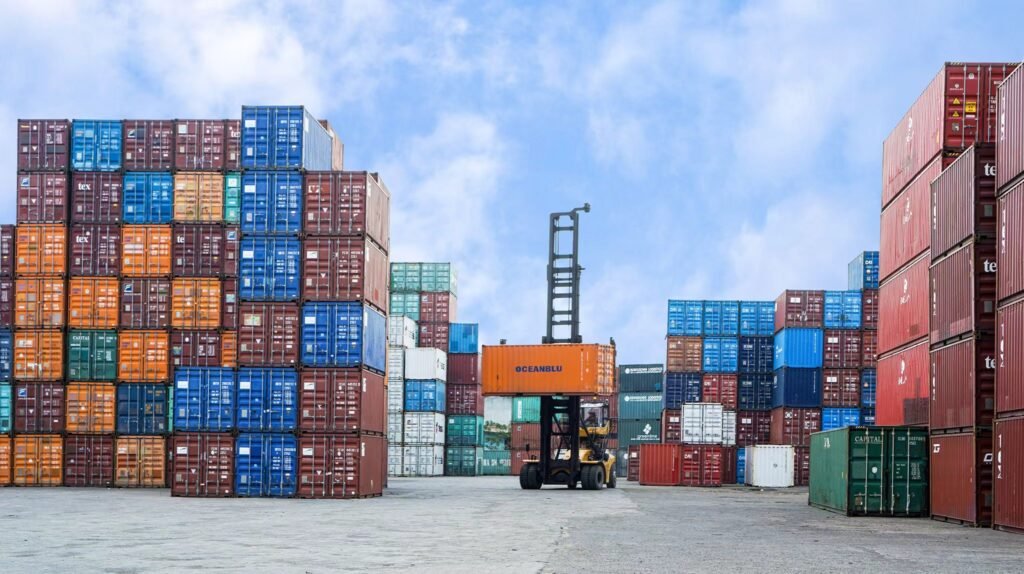
4. Flexible Claims Solutions
Once the claim amount and responsibility have been confirmed, customers may choose the most suitable solution:
- Direct refund: The confirmed value of damaged products is refunded through the agreed payment method.
- Credit against a future order: The same amount is deducted from the payment for the next order.
- Free replacement shipment: Replacement products are prioritized for production and shipped to the designated warehouse as soon as possible.
The final solution should be determined according to the confirmed cause of damage, the agreed shipping terms, and the cooperation agreement.
Choosing DaiMeiShi means choosing more than skincare manufacturing. It means working with a long-term partner that is prepared to respond, share responsibility, and provide practical support when unexpected transport issues occur.