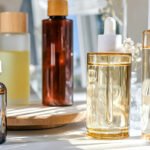
When sourcing skincare OEM/ODM suppliers, one of the biggest early-stage risks is dealing with a trading company or intermediary that presents itself as a “source factory.” Some suppliers display polished product catalogs and impressive-looking certificates, but may not have their own production workshop or R&D team. In some cases, third-party business licenses or certificates are used to create a misleading impression.
Working with this type of supplier can mean higher purchasing costs, slower communication after a deposit is paid, limited control over product quality, or even loss of contact. Knowing how to verify a cosmetic factory license and confirm real production capability is therefore an essential part of supplier selection.
As an established cosmetics manufacturer, DaiMeiShi understands these concerns. To help buyers carry out cosmetic factory verification, we provide four practical forms of evidence that can be checked when relevant.
1. Verify the Legal Entity, Production Address, and Certificates
A real factory should have a consistent relationship between its business license, production license, applicable quality certificates, and actual production address.
Check Whether the Legal Entity Matches
Buyers should compare the company name shown on:
- The business license
- The applicable cosmetic production license
- Relevant certificates, such as ISO 22716 or GMPC documents, where applicable
- The manufacturing contract
- The actual production-site address
At DaiMeiShi, the legal entity signing the contract is intended to match the entity shown on the relevant production and quality documents. This helps avoid situations in which Company A signs the contract, Company B manufactures the products, and Company C holds the certificate.
This is one of the most important checks for cosmetic manufacturer credentials.
Check Official Databases
Where public official databases are available, buyers can search the company name or production-license number through the relevant regulatory authority. For factories in China, this may include the National Medical Products Administration or the applicable local authority.
This check can help confirm the company’s registration status, production-permit scope, and registered factory address.
2. Request a Live Virtual Factory Audit
Documents can be edited or misrepresented, but a real production line, working equipment, and operating staff are much harder to imitate.
If an on-site visit is not immediately possible, buyers can request a scheduled or live virtual factory audit through WhatsApp video or another agreed video platform.
During a virtual tour, DaiMeiShi can show relevant areas of the facility, such as:
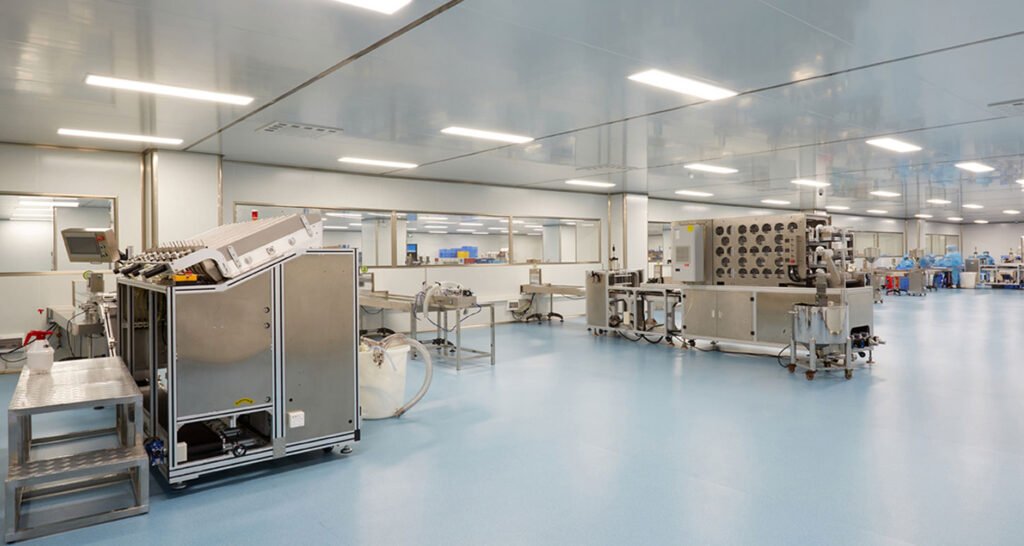
- The controlled production and filling area
- Purified-water preparation equipment
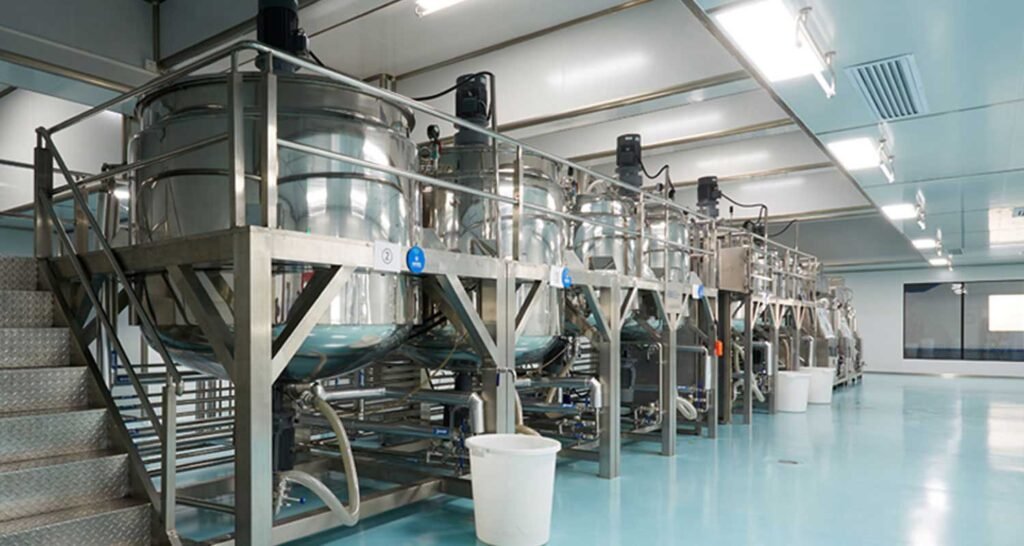
- Emulsification and mixing vessels
- Automated filling lines
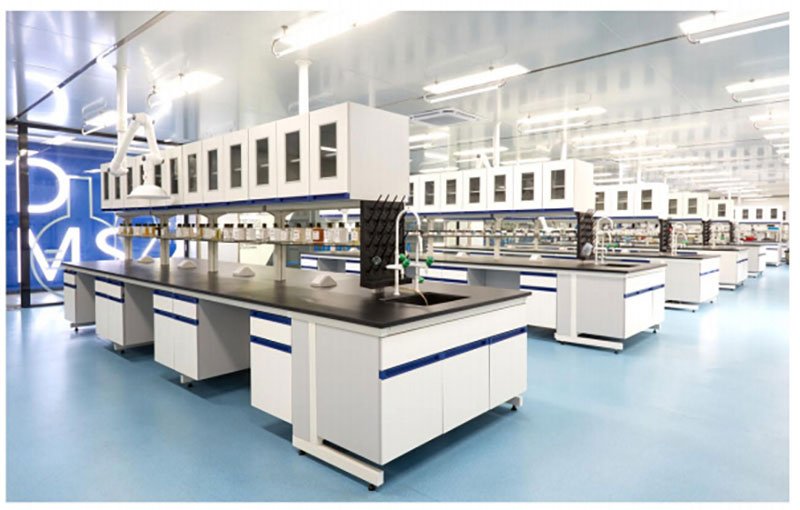
- The R&D laboratory
- The retained-sample room
A live walkthrough enables buyers to see the actual working environment and better assess cosmetic manufacturing capability before placing an order.
3. Arrange an On-Site or Third-Party Factory Audit
A genuine factory should be open to reasonable on-site verification. Buyers may visit personally or appoint an independent inspection organization, such as SGS, TÜV, or Intertek, to conduct a third-party factory audit.
During the audit, the buyer or inspection team can review:
- Factory signage and registered site information
- Workshop layout and production-area identification
- Equipment nameplates and operating condition
- Quality-control procedures
- Production records and traceability documents
- Warehousing and finished-goods handling
Factory signage, workshop labels, and equipment records provide practical evidence of whether a site is an operating manufacturing facility rather than a temporary rented space or a borrowed location.
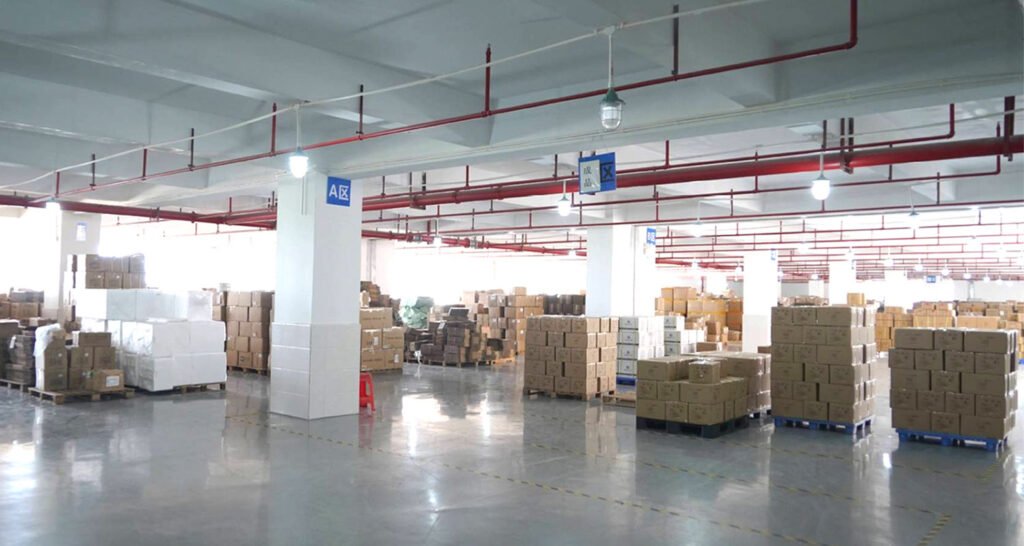
4. Review Fixed Assets and Operating Evidence
Trading companies often operate with a light-asset model. A real manufacturer, by comparison, should be able to demonstrate its production base, core equipment, and operational continuity.
DaiMeiShi operates a dedicated production facility supported by high-precision emulsification and filling equipment. Our production base, manufacturing records, and long-term operating capability provide important evidence for manufacturer identity verification.
For buyers, the value of this verification is not limited to checking a certificate. It is about reducing supply-chain risk and confirming that the partner has the practical capacity to develop, manufacture, control, and deliver products over the long term.
Transparency creates confidence. DaiMeiShi is prepared to support reasonable document checks, video verification, and factory-audit arrangements so that buyers can make informed sourcing decisions.