Choosing a manufacturing partner is one of the most important decisions a skincare brand will make. If you are learning how to evaluate a skincare factory in China, it is useful to look beyond a product catalogue or a low starting quotation. A suitable partner should understand your product category, communicate clearly, support workable packaging choices and follow an organized development process.
This guide explains what to check before you begin a private label project. You will learn how to compare factories, what to ask during early conversations, how to review samples and documents, and how to reduce avoidable problems before mass production.
Start with your own product brief
Before comparing factories, make your project easier to understand. A factory can give better recommendations when it receives clear information instead of a very broad request such as “I need a good face cream.”
Prepare a short product brief covering:
Product type, such as serum, body lotion, shampoo, hair mask or eye patches
Target market and intended customer
Desired product benefits and texture
Ingredient preferences or ingredients to avoid
Estimated order quantity
Preferred packaging type and fill size
Your expected launch timing
You do not need to have every detail finalized. However, the more useful information you provide, the easier it is to see whether the factory understands your project.
For example, a lightweight body lotion for a hot and humid market may need a different texture and packaging approach from a rich body cream for a dry-climate market. A supplier should be able to ask practical follow-up questions instead of immediately giving the same answer to every customer.
How to evaluate a skincare factory in China: check product fit first
A factory may have many products, but that does not automatically mean it is the right fit for your category. Start by checking whether its experience matches the type of product you want to launch.
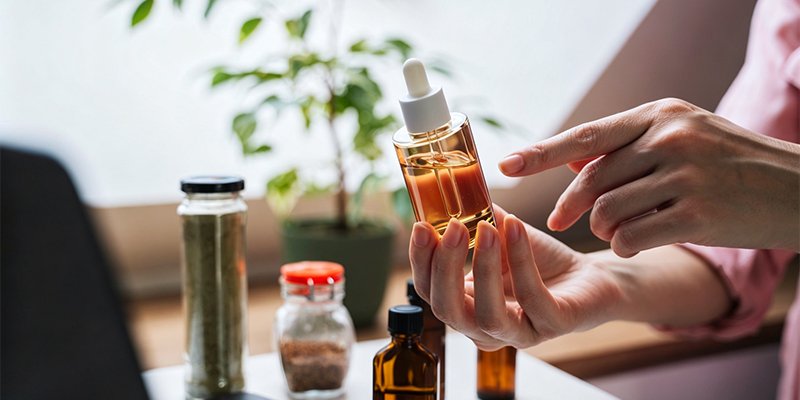
If you need facial serums, ask about the factory’s available serum formats, sample process and packaging options for low-viscosity formulas. If you are developing a hair mask, ask whether it can support the texture, fragrance direction and jar or tube format you have in mind. If you plan to launch eye patches, clarify the product substrate, pouch format and outer-box requirements early.
A good conversation should help you understand three things:
1.Whether the factory can make the product category you need
2.Whether it can adapt an existing formula or discuss a custom formulation
3.Whether its packaging options are compatible with the formula and your brand positioning
You can also review the factory’s product range to understand its broader capabilities. This should not replace a direct project discussion, but it helps you identify relevant starting points among available private label skincare products.
Confirm that the business and production process are real and organized
Many buyers use the word “factory” loosely. Your goal is not simply to ask whether a supplier owns a production site. You need to understand how the project will move from your initial idea to a finished product.
Ask the supplier to explain its usual workflow. A clear answer normally includes requirement discussion, sample development, packaging confirmation, production planning, filling, packing and final inspection. The exact process varies by project, but the supplier should be able to explain who coordinates each step and when you need to approve something.
Useful questions include:
1.Which team will communicate with me during sample development?
2.How are formula and packaging approvals recorded?
3.What information is needed before production can be scheduled?
4.How are packaging components checked before filling?
5.What happens if a sample, label file or packaging component needs revision?
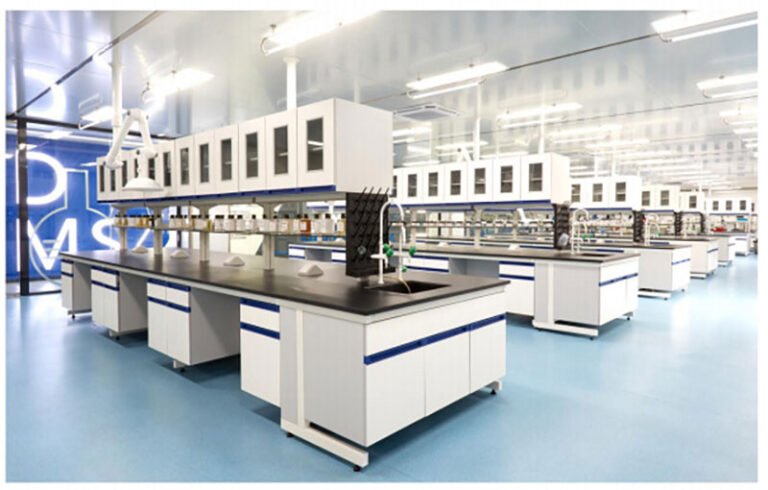
You can also review the company’s factory-introduction page to understand how it presents its production environment and service scope. For DaiMeiShi, the relevant page is skincare factory in China.
Clear answers matter more than impressive but vague statements. A reliable partner should explain the next step, the information required and the approval point in plain language.
Review sample development carefully
A sample is not only a product test. It is also a test of communication and project management.
When you receive a sample, check the formula from the perspective of your target customer. Consider texture, spreadability, absorption, fragrance, colour and the overall product experience. If the product will be used with a pump, dropper, tube or jar, consider whether the packaging format suits the formula.
Share feedback in a structured way. Instead of saying “the texture is not right,” explain whether you want it lighter, richer, faster-absorbing, less fragrant or easier to dispense. Photos and short videos can also help prevent misunderstandings.
For custom formulation projects, ask what can realistically be adjusted. Some changes are simple, while others may affect formula stability, ingredient selection, packaging compatibility or project timing. It is better to confirm these points during sampling than after production preparation has begun.
Check packaging compatibility before confirming the order
Packaging is often treated as a design decision only. In reality, it also affects product use, filling and transportation.
A beautiful jar may not be the best choice for every formula. A pump may suit one lotion but not another. A label may need adjustment if the bottle has a curved surface. Outer boxes should also match the final bottle, tube or pouch dimensions.
Before approval, confirm:
| Check Area | What to Review |
|---|---|
| Primary packaging | Bottle, jar, tube, pump, cap or dropper matches the formula and fill size |
| Product use | The package dispenses the product comfortably and consistently |
| Label area | Label size, surface and material are practical for the selected package |
| Outer packaging | Box dimensions, artwork and protection match the finished product |
| Final sample | Formula, primary package, label and outer box are reviewed as one complete set |
This is where packaging customization needs close coordination between the brand, packaging supplier and production team. If you want to understand the wider development process, review DaiMeiShi’s OEM/ODM skincare services
Ask about documents in a practical way
Documentation requirements depend on the product, destination market, importer and sales channel. Avoid asking only, “Do you have all certificates?” That question is too broad to produce a useful answer.
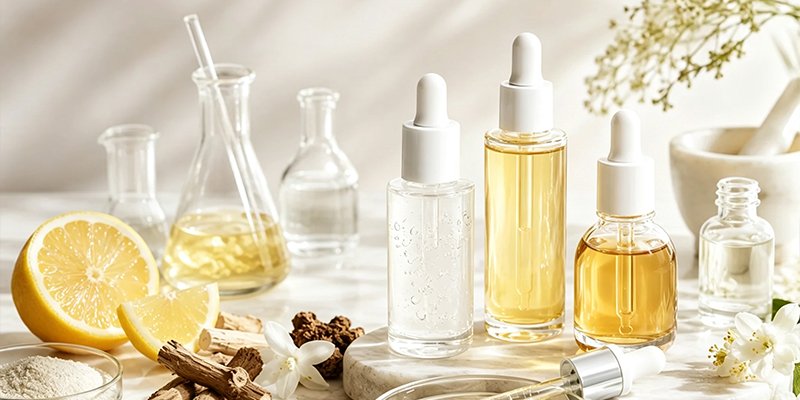
Instead, explain your market and ask which project-related documents may be available. Depending on the product and order arrangement, buyers may need information such as an ingredient list, product specification, COA, MSDS or packaging details.
The important point is to distinguish between general factory information and documents connected to a specific product. A document should match the formula, packaging and product version that you are actually planning to sell.
If your market has specific registration, notification or label requirements, discuss these early with your local importer, regulatory adviser or relevant authority. A factory can support product information and project documentation where applicable, but your final market-entry responsibilities should be confirmed for your own sales channel.
Look for clear communication, not only a low price
Price matters, especially for a new brand. However, a quotation is useful only when you understand what it includes.
Ask the supplier to clarify the basis of the quotation: formula type, packaging format, filling volume, printing requirements and order quantity. If you are comparing a ready formula with a custom formula, ask what will change in the development work and final product process.
A low quotation may appear attractive, but it can be difficult to compare if packaging, testing, artwork, shipping terms or other requirements are unclear. Good communication early in the project can save time and prevent costly revisions later.
Pay attention to how the supplier responds. Are the answers specific? Does it explain assumptions? Does it identify missing information before giving a final recommendation? These are useful signs of a project process that may be easier to manage.
Common mistakes to avoid
One common mistake is choosing a factory only because it has a large catalogue. A catalogue is helpful, but your actual project may require a different formula direction, package or documentation plan.
Another mistake is finalizing a logo or outer-box design before confirming bottle dimensions and packaging compatibility. This can lead to rework when the actual components are selected.
It is also risky to assume that one message can confirm every detail. Formula, packaging, artwork and production approvals should be confirmed step by step. Keep written records of important decisions, especially the approved sample, fill size, packaging components and final artwork version.
A practical next step for your brand
The best way to evaluate a skincare factory in China is to begin with a clear product brief and a focused discussion. Start with one or two suitable products, confirm the formula and packaging direction, and use the sample stage to evaluate both the product and the communication process.
DaiMeiShi supports private label skincare projects across face care, body care, hair care and eye care. If you are preparing a new product line, discuss your project requirements with our team to explore suitable formulation and packaging options.