
Private label skincare refers to skincare products manufactured by a third-party manufacturer and sold under a brand’s own name and packaging. It allows beauty brands to launch skincare products without building their own manufacturing facilities.
As the global skincare industry continues to grow, private label manufacturing has become a practical option for beauty entrepreneurs, online sellers, distributors, and skincare brands looking for a faster and more cost-effective route to market.
However, terms such as private label skincare, OEM skincare, and ODM skincare are often confused. This guide explains what private label skincare means, how OEM and ODM skincare manufacturing differ, and how brands can choose a suitable manufacturing solution.
What Is Private Label Skincare?
Private label skincare refers to skincare products manufactured by a third-party factory and sold under your own brand name and packaging.
Instead of establishing your own manufacturing facility, you can work with a skincare manufacturer to develop and produce products based on your business requirements.
Private label skincare can help brands simplify product development, reduce manufacturing complexity, and bring new skincare products to market more efficiently.
Common product categories include:
Facial Care: Cleansers, creams, serums, face masks, and scrubs
Body Care: Body lotions, body scrubs, massage oils, body washes, and hair removal creams
Hair Care: Shampoos, conditioners, hair masks, and hair oils
Functional Skincare: Skin brightening, anti-aging, and skin repair products
Private label skincare manufacturing is commonly used by skincare startups, online sellers, and beauty businesses looking to develop products under their own brands.

How Does Private Label Skincare Work?
The private label skincare process typically includes product selection, formula development, packaging customization, sample testing, and mass production.
1.Product Selection
Brands first select skincare categories according to their target customers, market positioning, and product strategy.
Popular categories may include:
- Hydrating skincare
- Brightening skincare
- Anti-aging products
- Sensitive skin products
- Vegan skincare
- Clean beauty products
Choosing a focused product category helps create clearer brand positioning before formula and packaging development begins.
2.Formula Development
Depending on the project, brands can choose between ready-made formulations and customized skincare formulas.
Custom formulation development may allow adjustments to:
- Ingredients
- Texture
- Fragrance
- Product function
- Skin feel
Common skincare ingredients include hyaluronic acid, niacinamide, retinol, ceramide, vitamin C, and botanical extracts.
The appropriate formula depends on the product category, target market, and desired product positioning.
3.Packaging Customization
Private label skincare manufacturers may provide different packaging options, including:
- Bottle selection
- Jar packaging
- Airless pump packaging
- Label printing
- Logo printing
- Outer box customization
Packaging is an important part of skincare brand identity and customer experience. Bottles, labels, logos, and outer boxes should align with the positioning of the finished product.
4.Sample Testing
Before mass production, brands normally review product samples.
Samples can be evaluated for:
- Formula texture
- Fragrance
- Packaging appearance
- Product performance
This stage allows the brand to review the product before approving it for bulk production.
5.Mass Production
After sample approval, the skincare manufacturer can proceed with bulk production.
Depending on the manufacturing project, production support may include:
- Automated production
- Quality inspection
- Packaging assembly
- Export documentation
- Shipping support
This completes the transition from product development to commercial production.
What Is OEM Skincare Manufacturing?
OEM stands for Original Equipment Manufacturer.
In OEM skincare manufacturing, skincare products are produced according to the client’s specific requirements.
The brand may determine elements such as:
- Product positioning
- Packaging design
- Formula requirements
- Brand identity
OEM skincare manufacturing is suitable for brands that require greater product customization and want to create stronger differentiation in their target market.
Typical OEM Skincare Services
OEM skincare projects may include:
- Custom skincare formulation
- Packaging customization
- Ingredient adjustment
- Product testing
- Production support
Compared with using an existing product concept, OEM manufacturing can provide greater flexibility in product development.
What Is ODM Skincare Manufacturing?
ODM stands for Original Design Manufacturer.
In ODM skincare manufacturing, the manufacturer provides already-developed skincare formulas or products that brands can market under their own labels.
Compared with OEM development, ODM generally involves less product development work and can provide a faster route to product launch.
ODM skincare solutions may be suitable for:
- Startup brands
- Small businesses
- Fast product launches
- Businesses with lower development budgets
Brands typically focus their customization on elements such as packaging, logos, and label design, while the core skincare formula has already been developed by the manufacturer.
OEM vs ODM Skincare: What’s the Difference?
The main difference between OEM and ODM skincare manufacturing is the level of product development and customization.
| OEM Skincare | ODM Skincare |
|---|---|
| Custom formulation | Ready-developed formula |
| Higher customization | Faster product launch |
| Greater development flexibility | Less development work |
| More control over product requirements | Focus on branding and packaging |
| Suitable for product differentiation | Suitable for faster market entry |
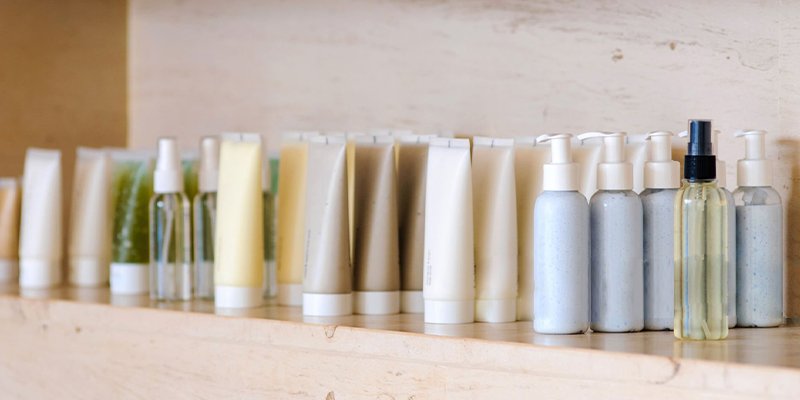
In simple terms, OEM skincare is more suitable for brands requiring customized product development, while ODM skincare can be suitable for businesses that prefer existing formulas and a faster development process.
How to Choose Between OEM and ODM Skincare
The right manufacturing model depends on your product strategy, customization requirements, development timeline, and budget.
Choose OEM skincare manufacturing when your project requires customized formulas, ingredient adjustments, specific product characteristics, or greater control over product development.
Choose ODM skincare manufacturing when your priority is to work with an existing formula, reduce development work, and prepare products for market more quickly.
For many new skincare businesses, the decision should begin with a clear understanding of the desired product, target customer, packaging requirements, and level of formula customization.
Choosing a Private Label Skincare Manufacturing Solution
Private label skincare gives brands a way to develop and sell skincare products under their own branding without establishing an independent manufacturing facility.
OEM and ODM provide different development paths. OEM focuses more heavily on customized product requirements, while ODM uses already-developed products to simplify the development process.
Understanding these differences can help beauty brands select a manufacturing model that better matches their product positioning, budget, customization needs, and launch strategy.
Looking for Private Label Skincare Manufacturing Support?
For brands developing a new skincare collection, the appropriate manufacturing solution depends on the required formula, packaging, product positioning, and customization level.
We provide private label skincare manufacturing, custom formulation development, packaging customization, and OEM/ODM skincare production support for global beauty brands.
Contact our team to discuss your skincare project.